Blog
Farm Feature: Farm 57
For Farm 57, raising food is about building a transparent farm system grounded in responsible land management.
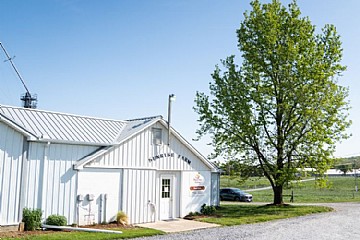
Located in Avella, Pennsylvania, the farm follows a pasture-raised, regenerative approach to animal raising that works with their land and supports the health of their animals.
Visitors can shop directly from Farm 57’s farm stand on Saturdays, browse available products at farm-57.com, or follow the farm on Facebook and Instagram for updates and a closer look at day-to-day life on the farm.
Once chicks leave our hatchery, every farm raises them a little differently, so we stopped in at the Dilles’ farm to see how Farm 57 puts its values into practice.
A Farm Built by Joel and Megan Dille
Joel’s roots in agriculture go back to childhood. He has been involved in the ag world since he was 8 years old and participated in both 4-H and FFA while growing up.
The farm started with a small vegetable garden that helped supply their CSA, but it did not stay small. Before long, Joel and Megan were raising multiple batches of meat chickens, adding freezer space to keep up with demand, and branching into pasture-raised pork, and eggs.
“We started with 50 Cornish Cross to feed our family for the year, and then we realized this was something we could keep building.”
That early batch grew into a larger regenerative agriculture system built through plenty of problem-solving. The poultry side has grown steadily over the past eight years; Farm 57 has since scaled up to seven batches in a season.
The business has grown, but the mission has stayed: feed people the same food the Dilles feed their own family.
They are parents first, and that perspective shapes the way they farm. Through regenerative agriculture, Joel and Megan aim to raise clean, nourishing food while caring for their animals, improving the land, and serving the families who rely on them. Transparency is central to their approach, and customers are encouraged to ask questions and understand how their food is produced.
“We feed your family with what we eat. That is really what it comes down to.”
How Farm 57 Raises Chickens With Regenerative Agriculture
Farm 57 raises broilers in batches throughout the season, starting them in the brooder for their first 2.5 to 3 weeks before moving them out to pasture.
Once the birds are ready for grass, they are moved into rolling chassis-style shade shelters surrounded by electric fencing. The chassis shelters are moved daily, and the entire electric fence every three days or so, depending on their size.
This rotation keeps the chickens on fresh pasture, prevents manure from building up, and gives them access to grass, insects, roots, and other natural forage.
Farm 57 believes healthy pasture leads to healthy birds and better food. Because the Dilles know how their birds are raised and what goes into them, they trust the quality of the whole animal and aim to use as much of it as possible, including the heart and liver.
The chickens benefit the pasture as they graze, scratch, and return manure and organic matter to the soil. Moving them regularly gives each area time to rest and recover, which supports healthier soil and pasture.
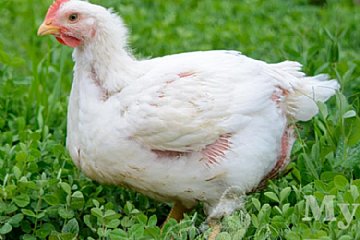
Megan said people sometimes stop or ask questions when they see the chickens outside. Many are not used to seeing meat birds, especially Cornish Cross, raised on pasture.
Finding the Right Pasture Setup
The Dilles tried several pen designs before landing on the chassis-style structures and electric fencing. The final setup gives the birds shade and protection, while the fenced area creates more room around the structure for movement and foraging.
The chassis is easy enough for one person to move, which is a time-saver during busy days. Each shelter has a footprint similar to a traditional Salatin-style broiler pen, but the added fence space gives each bird about 3.5 square feet—far more than the USDA minimum requirement.
Predator pressure shaped the setup, too. Aerial predators, especially nocturnal predators like owls, are a real concern on the farm, and the Dilles tried everything from guard geese to electronic hawk deterrents before finding the best fit in Dot, their young and boisterous Great Pyrenees guardian dog.
“We tried a lot of things. Some worked for a while, some didn’t work at all. Dot has been the best solution to nighttime predation.”
A Local Approach to Feed
Farm 57 is open about its feed choices. For Joel, the decision comes down to using a ration that supports the birds well while also keeping the farm connected to the local economy.
Rather than hauling in a specialty ration from farther away, Farm 57 works with a local feed provider close to the farm. Joel has worked to create a customized, nutritious ration for their animals that they mix fresh on-farm.
That relationship fits closely with one of Farm 57’s strongest beliefs: know who is behind your food. For the Dilles, that mindset carries through the whole farm—including the people they trust to help feed their animals.
The Work Behind the Farm
Their schedule is full in a very real way: farm chores before the rest of the day gets moving, orders to pack, wholesale delivery details to sort out, and animals that need care whether the timing is convenient or not.
Joel also works full-time as an engineer, while Megan is home with their four children, who are homeschooled— so most days require a mix of planning, flexibility, and plenty of coffee.
“You have to wear a lot of hats to farm. You’re taking care of animals, fixing equipment, packing orders, managing customers, raising kids, and planning three steps ahead all the time.”
Building Toward a Whole-Farm System
The farm is still growing and changing, guided by regenerative farming practices, years of reading, and close observation of what works on their own land. Joel said the work of Joel Salatin has had a major influence on how they think about pasture, animals, and land management.
The long-term plan is to have ruminants grazing in front, with chickens following behind to create a more complete pasture rotation.
Alongside poultry, Farm 57 also raises pigs, including a rare heritage Ossabaw pig from a Mount Vernon rescue line. The Dilles are interested in preserving the breed and are actively looking for a boar to pair with their sow.
Their future plans are built around taking their mission and expanding to support their community and give customers a trusted path from farm to table.
Feeding Families Near and Far
As the poultry side has grown, Farm 57 has had to think beyond raising each batch. The Dilles also have to plan far enough ahead to keep chicken available after Pennsylvania’s pasture-raising season is over.
Their chickens are raised in batches, then processed, and vacuum sealed and frozen to preserve freshness. By planning enough chicken for the entire year, the Dilles can continue supplying customers with meat after the final birds of the season have been processed.
That planning also supports their new farm store, which is open on Saturdays and gives local customers another way to buy directly from the farm. Along with meat, the store carries eggs and seasonal goods, making it a growing part of how Farm 57 connects with nearby families.
Nationwide shipping has added another layer to the business. Getting frozen chicken packed and delivered well took testing, planning, and plenty of adjustment, but it allows Farm 57 to serve customers who care about where their food comes from—even if they are not close enough to visit the farm store or be a part of their CSA program.
Why Farm 57 Wants People to Visit Their Farmer
Knowing where your food comes from means talking to the farmer behind the meat and produce you buy.
The Dilles’ message is simple: visit your farmer. See firsthand how the food is grown, ask how the animals are fed and raised, and learn why certain choices are made.
Those conversations will leave you with a clearer picture of what goes into your food and help you make informed choices about the food you put on your table.
Read more stories from farmers and homesteaders we work with in our Farm Spotlights.