Blog
When to Buy Meat Chickens: The Best Months for Raising Them
Quick Answer: The best time to buy and raise meat chickens, especially Cornish Cross, is during the spring and early summer months, when moderate temperatures support steady growth, consistent feed intake, and lower stress. A second reliable window is late summer through early fall months, when chicks benefit from warm starting conditions and finish in cooler weather that is easier on fast-growing broilers like Cornish Cross. The key is to avoid periods of high heat, which research indicates can slow weight gain and lead to higher mortality rates.
Instead of guessing, you can use seasonal frost dates to help plan when conditions are most favorable.
Table of Contents
- How to Use Frost Dates to Plan When to Raise Meat Chickens
- Why Do Frost Dates Work?
- Timing Meat Chickens for Spring Growing
- Timing Meat Chickens for Fall Growing
- Account for Local Climate Conditions
- Can You Raise Meat Chickens in Summer?
- Can You Raise Meat Chickens in Winter?
- When Should You Buy Meat Chickens?
- Key Factors That Influence Meat Chicken Success
- Final Takeaway: Plan Around Moderate Weather for Predictable Results
How to Use Frost Dates to Plan When to Raise Meat Chickens
If you garden, you have likely heard of frost dates. While they are commonly used for planting, they can also help plan a “grow-out”—the time it takes to raise meat chickens from chicks to processing weight.
Use your local frost dates as a guide, not a guarantee.
Quick Planning Guidelines for Raising Meat Chickens
Spring grow-outs:
Start chicks 3–4 weeks before your average last frost. This gives them time to feather out before moving outdoors.
Fall grow-outs:
Start chicks 8–10 weeks before your first expected frost. Allow more time for slower-growing breeds.
Ideal growing temperatures:
Meat chickens tend to do best when daytime temperatures stay between 55°F and 75°F.
When in doubt:
Moderate weather almost always produces more predictable results.
Why Do Frost Dates Work?
Frost dates are based off of long-term weather patterns and trends, which can give you a rough idea of when temperatures are likely to stabilize in the spring and cool off in the fall.
While they were originally designed for gardening, they are useful for poultry because temperature plays a major role in how well broilers grow - especially Cornish Cross chickens.
They will not be exact, but they provide a reliable starting point when planning your chicken season. Geography plays a major role in determining how early you can begin raising broilers. You can figure out your frost date using the Farmer’s Almanac or other online resources.
Timing Meat Chickens for Spring Growing
Once you know your last frost date, count backward about 3-4 weeks to decide when your chicks should arrive.
Most broilers stay in the brooder for the first few weeks while they develop feather coverage and better temperature control. After they grow their feathers, moving them outdoors becomes much lower risk.
For example:
- If your frost date is in late April, starting chicks in late March often works well.
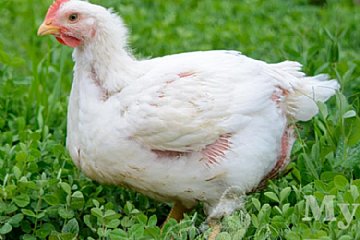
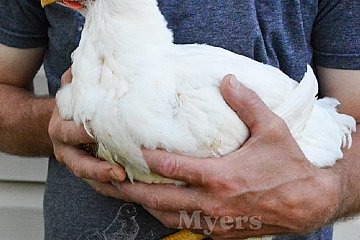
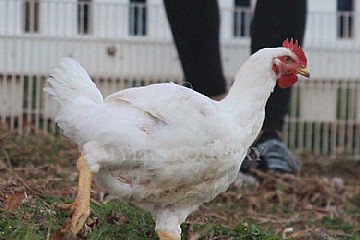
The pictures in our Cornish Cross week by week guide were taken during a spring grow-out. If you want to see what Cornish Cross look like as they grow, that guide includes weekly photos, average weights, feed amounts, and care notes from day one through processing age.
Timing Meat Chickens for Fall Growing
For fall, start with your first expected frost date an count backward based on how long your birds will take to grow. Fast-growing broilers typically reach processing weight in 8-10 weeks. Slower-growing or heritage types may need 10-16 weeks or more.
Starting chicks during late summer means that they can benefit from the warm temperatures while they are growing their feathers, and finishing off in cooler weather, which can be ideal for Cornish Cross, which tend to struggle in summer heat.
For example:
- If your last frost is in early October, starting chicks in early to mid-August usually works well.
- If frost comes later in October, slower-growing birds may still fit into a mid-August start.
Account for Local Climate Conditions
Frost dates are a good starting point, but your local environment matters just as much. Things that can affect your timing include:
- Elevation
- Wind exposure
- Shade
- Humidity
- Nearby bodies of water
For example, a sheltered area may warm up faster in the spring, while open ground may stay cooler due to wind.
Over time, your own observations will become one of the most useful tools for planning.
Can You Raise Meat Chickens in Summer?
Yes, but hot weather can make it more challenging, especially for Cornish Cross chickens.High temperatures can put stress on meat birds, a pattern well documented in research on heat stress in broilers. As heat increases, birds often eat less, which can slow growth and affect overall performance. In more extreme conditions, prolonged heat can also increase the risk of mortality.
Common summer challenges include:
- Heat stress
- Reduced feed intake
- Slower weight gain
- Higher losses during heat waves
Can You Raise Meat Chickens in Winter?
Yes, but it typically requires more hands-on management.Cold weather brings a different set of challenges. Birds will eat more feed to maintain body heat, and keeping water from freezing becomes a daily task. Moisture control also becomes more important, as damp bedding can quickly lead to health issues. For growers in colder northern climates, it is usually too cold for consistent outdoor pasture-raising during the winter, so raising indoors is the only option.
Common winter challenges include:
- Higher feed consumption
- Frozen waterers
- Maintaining dry litter
- Managing airflow without creating drafts
For growers using insulated or temperature-controlled setups, winter can be manageable. Without that, it often requires more time and attention to maintain stable conditions.
When Should You Buy Meat Chickens?
Timing is not just about weather - availability matters too.Many broiler growers reserve chicks weeks in advance, especially for spring. Many hatcheries only offer broilers in a small window of time, while others offer them year-round. Regardless of availability, they can still sell out quickly, especially during the spring season. Booking early gives you more flexibility in your schedule, and can reduce the likelihood of complications during the grow-out.
Key Factors That Influence Meat Chicken Success
Before choosing your start date, consider:
- Target processing date
- Typical temperature swings
- Brooder setup and space
- Pasture conditions
- Predator pressure
Final Takeaway: Plan Around Moderate Weather for Predictable Results
For most setups, spring and early fall are the most reliable times to raise meat chickens. Broilers perform best within a moderate temperature range, as conditions outside their comfort zone can disrupt growth and overall performance.While controlled setups can extend your season, working with natural weather patterns is often the easiest way to get consistent results from start to finish.
If you are planning to growing broilers this year, check out our guide on how to raise meat chickens.