Blog
How to Use a Brooder Plate (and When it Works Best)
Quick Answer
Set the brooder plate low enough that the chicks can lightly touch the heated underside with their backs while standing. Raise it as they grow, and make sure every chick can fit comfortably underneath.
A brooder plate warms the chicks directly, but does not heat the surrounding air like a heat lamp. It works best in a draft-free, temperature-controlled room that stays around 65-75°F. If you are brooding chicks in a cold garage or barn, you may need an additional heat source.
Brooder plates are also easiest to use with smaller flocks. Large groups and fast-growing meat birds like Cornish Cross can outgrow a plate sooner than expected.
In this guide, we explain how to set up a brooder plate, how to introduce your chicks to it, and decide whether it is the right heat source for your setup.
Quick links
- Quick Answer
- How to Set Up a Brooder Plate
- What is a brooder plate?
- The Benefits of Using a Brooder Plate
- When a Brooder Plate Works Best
- How High Should the Brooder Plate Be?
- How to Get Chicks to Use a Brooder Plate
- How Many Chicks Fit Under a Brooder Plate?
- When Can You Remove the Brooder Plate?
- Are Brooder Plates Safer Than Heat Lamps?
- Will a Brooder Plate Burn My Chicks?
- Is a Brooder Plate Right for Your Setup?
How to Set Up a Brooder Plate
- Turn on the brooder plate a few hours before your chicks arrive. This gives it enough time to warm completely. If the plate has more than one setting, make sure you select the setting intended for brooding chicks. Note: The underside may feel suprisingly hot to your hand. This is normal, but you should confirm that the plate is set to the correct setting.
- Place the plate next to the wall of the brooder. This helps to keep the heat inside. The heated side must face downward so the chicks can warm their backs underneath it.
- Adjust the plate until the chicks can stand beneath it while lightly touching the heated surface with their backs. If it is too high, they will not receive enough warmth. If it is too low, they will have to crouch or may struggle to move underneath it.
- Some folks set the plate at a slight angle. This creates different height options and allows each chick to find a comfortable spot. Raise the plate a little at a time as the chicks grow.
- You can also add a lightweight fabric skirt around the plate to help hold in warmth and mimic the feathers of a hen. Cut the fabric into a thick fringe (1 inch strips) so that the chicks can move in and out easily.
Instructional Video:
What is a brooder plate?
A brooder plate is a flat, electric heating panel designed to provide warmth in a way that is similar to a mother hen. Instead of heating the entire brooder, it warms the chicks when they stand underneath it. Chicks move under the plate when they need heat and come out to eat, drink, and explore. Most brooder plates have adjustable legs, allowing you to raise the plate as the chicks grow.The Benefits of Using a Brooder Plate
Compared with a heat lamp, a brooder plate has several advantages:
- Lower fire risk
- No constant light
- A more natural day-and-night routine
- A warm area chicks can enter and leave as needed
Because a brooder plate does not keep the brooder brightly lit around the clock, chicks can settle into a more natural routine of activity and rest.
When a Brooder Plate Works Best
A brooder plate only warms the area directly underneath it. The rest of the brooder stays close to the temperature of the room.
For this reason, brooder plates work best in draft-free rooms that remain around 65-75°F. If the room is too cold, chicks can quickly lose body heat when they leave the plate. They may become less active or avoid coming out to eat and drink.
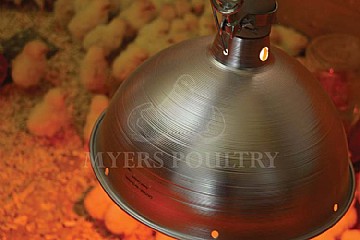
Unheated garages and barns can be especially difficult during cold weather. You can still use a brooder plate in these spaces, but you may need a heat lamp or another heat source to keep the surrounding air warm enough.
Your chicks' behavior will help you judge whether they are comfortable. Chicks that are cold may huddle together, crowd underneath the plate, or peep loudly.
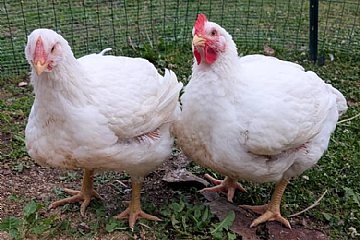
For meat chickens, there are different issues relating to brooder plates.
Did you know your chicks can tell you if they're cold? Learn more by reading our guide on chick sounds and what they mean.
How High Should the Brooder Plate Be?
The chicks should be able to stand normally underneath the plate while lightly touching their backs to the heated surface.
They should not need to crouch, but there should not be a large gap above them. Check the height regularly because young chicks grow quickly.
Setting the plate at a slight angle can make this easier. The lower end gives smaller chicks more contact with the heat, while the higher end gives larger chicks additional room.
How to Get Chicks to Use a Brooder Plate
Newly arrived chicks may not immediately understand where to find heat. You will need to introduce them to the plate.
Note: It's best to make sure the chicks have drank some water after arrival.
- Warm the plate before chicks arrive.
- Gently place each chick under the plate.
- Keep the feed and water nearby so the chicks do not have to travel far.
Watch the chicks closely during the first hour. Once they understand where the heat is, they should begin moving in and out from underneath the plate on their own.
If a chick seems cold or does not return to the plate, gently place it underneath again. Also check the size of your brooder. In a very large brooder, young chicks can wander too far from the heat and have trouble finding their way back.
How Many Chicks Fit Under a Brooder Plate?
Most brooder plates list a recommended chick capacity. Keep in mind that this number is usually based on newly hatched chicks, not the amount of space they will need a few weeks later.
As the chicks grow, the area underneath the plate becomes crowded. If every chick cannot fit comfortably, some may be pushed away from the heat.
Choose a plate with more capacity than you initially need, or be prepared to add another heat source as the chicks grow. This is especially important with Cornish Cross and other fast-growing meat birds, which can outgrow a smaller plate quickly.
When Can You Remove the Brooder Plate?
Most chicks no longer need supplemental heat once they are fully feathered and/or outdoor temperatures are warm enough. This commonly happens around four to seven weeks of age, but the timing depends on the breed, weather, and brooding environment.
Cornish Cross and other fast-growing birds may outgrow the plate before they are ready to go without heat. In that case, you may need a larger plate or another safely installed heat source.
Watch the chicks rather than relying only on their age. If they consistently rest away from the plate and show no signs of being cold, begin reducing their access to heat. Continue checking nighttime temperatures, since chicks may still need warmth after the temperature drops.
Are Brooder Plates Safer Than Heat Lamps?
Yes, brooder plates have a lower fire risk than heat lamps when they are used correctly.
They use less electricity, do not rely on a hanging bulb, and eliminate the risk of a bulb shattering over the bedding. However, they are still electrical equipment and must be inspected and set up properly.
Check the cord and heating surface before each use, follow the manufacturer's instructions, and keep the plate clean and dry.
Will a Brooder Plate Burn My Chicks?
A properly set up brooder plate should not burn your chicks.
The plate is meant to be fairly hot and designed to mimic a hen's natural body heat. Chicks will naturally move in and out from underneath it as they need warmth.
Some brooder plates have multiple settings, so be sure it is set to the proper brooding mode.
Test the plate before the chicks arrive and watch their behavior closely during the first few hours. If the chicks refuse to go underneath it, appear uncomfortable, or pile together somewhere else, check the height, heat setting, and room temperature.
Is a Brooder Plate Right for Your Setup?
A brooder plate is a reliable heat source when it is used in the right conditions. It works especially well for smaller flocks kept in draft-free, temperature-controlled rooms.
It may be more difficult to use in a cold garage or barn, with a large group of chicks, or with fast-growing meat birds that quickly outgrow the available space.
Before choosing a brooder plate, consider your room temperature, flock size, and the type of chicks you are raising. Once your chicks arrive, let their behavior guide you. A few small adjustments to the plate height or surrounding temperature can make a big difference in keeping them warm and comfortable.