Blog
Cornish Cross vs Red Ranger: Which meat chicken in the best?
Cornish Cross are the most popular type of meat chicken to raise, and Ranger-type birds are gaining popularity. Although they are both meat chickens, the way these birds grow and behave creates two very different grow-out experiences.
Quick Answer: Cornish Cross or Red Ranger?
Choose Cornish Cross for faster growth, better feed conversion, and more breast meat. Choose Red Rangers for a more active bird, greater processing flexibility, and a higher proportion of dark meat.
| Category | Cornish Cross | Red Ranger |
|---|---|---|
| Processing Age | 7-9 weeks | 9-11 weeks; can be raised longer |
| Growth Rate | Fast and uniform | Slow and steady |
| Feed Efficiency | Higher; requires less feed to reach a similar finished weight | Lower; requires more feed because of the longer grow-out |
| Activity and Foraging | Calm; may need encouragement to move and forage | Active, curious, and a natural forager |
| Carcass Shape | Broad, compact, and heavily muscled | Longer, more balanced, traditional farm-chicken shape |
| Meat Distribution | Higher proportion of breast and white meat | More balanced proportion of white and dark meat |
| Processing Flexibility | Narrower processing window | More flexible processing window |
Growth Rate and Processing Flexibility
The growth rate of a chicken and the flexibility of its processing age can greatly affect feed and bedding costs, as well as the amount of time spent managing the flock.
Cornish Cross
- Processed in 7-9 weeks
- Optimally processed within their butcher window and should not be kept past 10 weeks
- Uniform, rapid growth that puts on weight quickly and evenly
Cornish Cross are known for their quick growth, but they need to be butchered within their set window or health problems may arise. Because their growth is so accelerated, it helps to know what to expect before the chicks arrive. Our Cornish Cross week-by-week guide follows their weight gain, appearance, feed use, and management needs through the typical processing window.
Red Rangers
- Processed in 9-11 weeks
- Can be comfortably raised beyond their typical butcher window
- Slow and steady growth
Although 9 to 11 weeks is the most feed-efficient processing window, Red Rangers can be kept longer without the same time pressure associated with Cornish Cross.
For a closer look at their growth, temperament, pasture performance, and more, check out our Red Ranger breed spotlight.
Carcass Shape
Carcass shape describes how a bird's bone structure affects the placement and proportion of meat across its body. This matters to growers whose families or customers prefer certain cuts or a particular appearance in the finished bird.
Term to know: Keel - The keel is the long ridge along the center of a chicken's breastbone. The breast muscles attach on either side of it, so its length and shape help influence the bird's finished breast and carcass shape.
Cornish Cross
- Broad, compact torso
- Short legs, wings, and keel
- Familiar grocery-store chicken shape
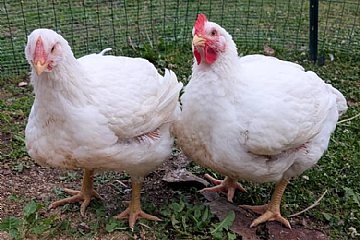
The Cornish Cross is the "bulldog" of meat chickens, with a short, broad frame and a heavily muscled chest. This compact build creates its familiar wide carcass and contributes to its waddling gait as it grows. Its shorter keel can also provide easier access to the body cavity, making that part of processing a little easier.
Red Ranger
- Balanced torso
- Long legs and keel
- Developed wings
- Traditional farm-chicken build
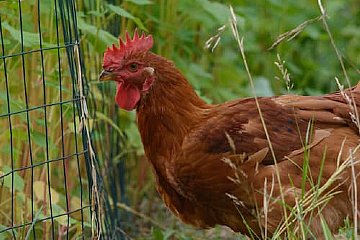
The Red Ranger has a structure more similar to a traditional farm chicken, with meat distributed more evenly across the breast, thighs, legs, and wings. Its longer body gives the bird a leaner, less compact appearance, although it is still a broad, muscular chicken with plenty of weight.
Meat Balance and Taste
Meat distribution is strongly influenced by genetics. A bird's breeding determines where it develops muscle and how that meat is distributed across the breast, legs, thighs, and wings. These differences determine the proportions and overall appearance of the finished carcass.
Cornish Cross
- Very breast-heavy and considered broad-breasted
- High proportion of white meat
- Familiar, mild flavor
Red Ranger
- Balanced proportion of breast and dark meat
- More fat with a yellower color
- Rich, flavorful taste
Meat Balance
Cornish Cross have been bred for high breast-meat yield. If you or your customers prefer plenty of white meat, they are likely the better choice.
Red Rangers and other Ranger-type meat chickens have a more balanced proportion of breast and dark meat. Their longer legs and more developed thighs and wings give them a higher proportion of dark meat compared with Cornish Cross.
Taste
A chicken's flavor can be influenced by its genetics, feed, processing age, activity level, and cooking method. Birds raised to an older age often develop a richer flavor. Genetics also play an important role, as some meat chicken strains are specifically selected to produce a more flavorful finished bird.
Red Rangers have been selected for taste and are typically raised longer than Cornish Cross, allowing them to develop a fuller flavor and more fat. This can result in a rich, juicy finished bird.
Behavior and Outdoor Performance
Both breeds can adapt to outdoor setups, but their activity levels, natural foraging behavior, and management needs are different.
Cornish Cross
- May need encouragement to forage
- Docile and calm
- Can be sensitive to weather changes
When encouraged to forage from an early age and kept on the correct feeding routine, Cornish Cross can remain active throughout their lives. Without encouragement, however, they often stay close to their feeders and spend more time lying down.
Red Ranger
- Active, curious, and alert
- Natural foragers
- Resilient to weather changes
Red Rangers behave like traditional farm chickens. They actively forage and explore their surroundings and can do well in free-range setups.
Weather can affect both breeds, especially when chicks are young or processing age falls during the hottest part of the summer. Our guide to the best months to raise meat chickens can help you select a hatch date that fits your climate and planned butcher window.
Feed Use and Feeding Routine
Feed is usually the biggest expense when raising chickens for meat, and this is where Cornish Cross have the clear advantage.
Cornish Cross
Cornish Cross convert feed into body weight very efficiently. They also reach processing size several weeks sooner than Red Rangers, so they generally require less total feed to produce a similarly sized finished bird.
That efficiency does come with a cost, however. Because Cornish Cross grow quickly, their feed intake and body condition must be monitored closely. They do best with a consistent feeding routine that supports steady growth without encouraging them to become too heavy too quickly.
Our broiler nutrition chart provides a closer look at suggested protein and nutrient levels. You can also use our Cornish Cross Feed Calculator to estimate how many pounds or bags of feed your flock may need.
Red Ranger
Red Rangers are less feed-efficient and take longer to reach processing size, so they generally consume more feed before butcher day. However, their slower growth makes feeding and weight management more flexible. They still need a balanced starter and grower feed, but they are not tied to the same closely managed feeding routine as Cornish Cross.
Which Meat Chicken Is Right for You?
Cornish Cross are a good fit for growers who want a short grow-out, efficient feed conversion, and a broad-breasted carcass with plenty of white meat. Red Rangers are a better match for those who want active birds, greater processing flexibility, and a traditional-style carcass with a more balanced proportion of white and dark meat.
Raising a batch yourself is often the best way to learn which qualities matter most to you. Beyond filling the freezer, the benefits of raising backyard meat chickens can include greater control over the birds' feed, care, and processing age.
Finding the Best Meat Chicken
Some growers try Cornish Cross first and decide that the quick turnaround and feed efficiency are exactly what they need. Others prefer watching Red Rangers move across the pasture and do not mind feeding them for a few extra weeks. You may even find that you like raising both, allowing you to stagger butcher dates and put two different types of chicken in the freezer.
There is no single meat chicken that is right for every farm or homestead. The best choice is the bird that fits your setup and produces the type of finished chicken you want.
When you are ready, compare available Cornish Cross chicks and Red Ranger chicks from Myers Poultry.