Blog
Breed Spotlight: Cornish Cross
Quick Answer
Cornish Cross chickens are fast-growing meat birds raised for efficient meat production and breast meat. They are one of the most popular choices for homesteaders, small farms, and families who want to raise chicken in a shorter amount of time.
Most Cornish Cross are ready to process around 7–9 weeks, depending on feed, weather, management, and the finished size you want. They are a good choice for people who want a lot of white meat, but they do best when you plan your brooder, feed, space, and processing window before the chicks arrive.
Cornish Cross Chickens at a Glance
| Cornish Cross Trait | What to Expect |
|---|---|
| Bird type | Fast-growing chicken raised for meat |
| Best for | Families, homesteaders, and farms that want a lot of chicken in a short amount of time |
| Typical processing age | Around 7-9 weeks |
| Common dressed weight | About 4.5-7 pounds, depending on feed, weather, sex, strain, and management |
| Growth rate | Fast compared to slower-growing meat birds |
| Meat type | Broad breast, tender white meat, and mild, familiar flavor |
| Beginner friendly? | Yes, for prepared beginners who plan ahead for feed, space, weather, and processing |
| Pasture friendly? | Yes, but needs weather protection |
Introduction
Cornish Cross can feel very different from laying hens or dual-purpose chickens. Because they are bred for meat production, their growth rate, care needs, and timeline are different from many other chickens.
This guide covers what Cornish Cross chickens are, why people raise them, what to expect from their growth and meat quality, and how to decide if they are the right meat bird for your setup.
What are Cornish Cross chickens?
Cornish Cross chickens are a type of broiler chicken raised specifically for meat. They are not the same as laying hens or dual-purpose breeds like the Delaware Cross. Cornish Cross are bred to grow quickly, finish with a broad, meaty frame, and produce a lot of meat in a short amount of time.
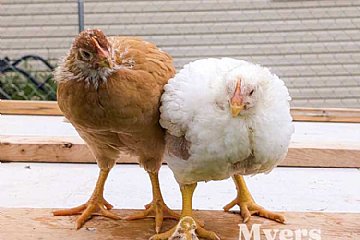
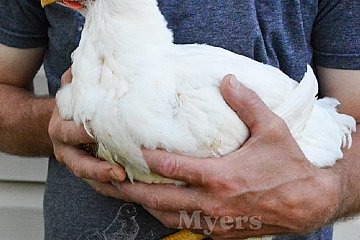
Physically, Cornish Cross have a build that looks different from most other chickens. As they grow, they develop a broad chest, wide stance, heavy body, and the familiar meat bird shape that is unlike the lean, slender frame of egg laying breeds. that many growers recognize. They often have a sturdy, compact look, with a body type that is built to carry a lot of muscle.
There are also several strains of Cornish Cross chickens, all with slightly different genetics. These strains can vary slightly in growth rate, body shape, feathering, and structure. Some strains may look a little broader, some may feather differently, and some may finish with slightly different body proportions. That is one reason it is helpful to buy from a hatchery that understands meat birds and can give realistic expectations for the chicks they sell.
Why are Cornish Cross so popular for meat?
Consistent growth - When raised correctly, Cornish Cross grow in a predictable pattern and reach processing size in a reliable window. Beause of this consistency, growers know what to expect from this broiler.Breast Meat - Cornish cross are bred to grow a lot of breast meat- a lot more than other breeds of meat chickens. If your family uses a lot of chicken breast for meals, meal prep, casseroles, grilling, or freezer cooking, Cornish Cross are often the best meat bird choice.
Reduced Feed Cost - Because they grow quickly and put on a lot of meat in a short amount of time, they are one of the most economical meat chickens to raise.
How fast do Cornish Cross grow?
Cornish Cross are known for growing quickly, which is one of the main reasons people choose them as a meat bird. Their size changes noticeably from week to week, especially after week two. Based on the averages in our Cornish Cross growth chart, these birds gain about 1 to 1.5 pounds per week.If you are new to Cornish Cross, a week-by-week growth chart can be very helpful because it gives you a better idea of what is normal. Weekly photos, weights, and videos can help you plan for space, feed, and processing without feeling like you are guessing.
For a deeper look at real growth expectations, see our Cornish Cross week-by-week guide with weights, photos, and videos.
What kind of meat do Cornish Cross produce?
Cornish Cross produce a large portion of tender white breast meat on a thick, stocky frame. They are known for their wide breasts and full carcass, which is great for folks that eat a lot of white meat.
This is in contrast to slower-growing or heritage-style meat birds, which often have smaller breasts and a higher proportion of dark meat.
Because Cornish Cross are butchered in a short time, their meat is tender. The flavor is often mild, clean, and familiar, which is one of the reasons many families like it for everyday cooking. It works well as a base for marinades, grilling, and simple roasted chicken without having a strong or gamey taste.
Taste can still depend on feed, age, processing, storage, and cooking method, so breed is not the only factor. Still, many families choose Cornish Cross because they produce tender, juicy, versatile chicken that fits easily into the meals they already cook.
Are Cornish Cross good for beginners?
Cornish Cross can be a good choice for a well-prepared beginner. They need meat-bird-specific care, but that does not mean they are hard to raise.A beginner who has read up on meat birds, planned for enough space, figured out a feeding schedule, and thought ahead to processing can do very well with Cornish Cross. Issues can arise if the grower is not aware of how fast Cornish Cross change from week to week and what type of environment they need to thrive.
It might feel more comfortable to start with a smaller number of birds for their first batch. Once you have raised one flock, the process becomes more familiar, and it is easier to know how much space, feed, time, and freezer room you want for the next round.
If you are new to raising meat birds, Cornish Cross can be a great place to start. They grow on a fairly clear timeline, are known for consistent results, and produce the familiar full-breasted chicken many families are used to cooking. Because Cornish Cross are one of the most common meat birds raised by backyard growers, homesteaders, and small farms, there is also plenty of information available about feeding, brooder setups, grow-out methods, troubleshooting, and processing.
Cornish Cross vs Heritage-style meat birds
Heritage-style meat birds, such as the Red Ranger, usually take longer to reach a butcher-ready size and tend to behave differently than Cornish Cross. Both types can be good choices, but they fit different goals.Cornish Cross are usually best for growers who want a lot of meat in the shortest amount of time. They are often chosen by families who use a lot of chicken breast, want a shorter chore window, and prefer a broad-breasted finished bird. They are efficient, familiar, and fairly predictable when managed well, and can handle being raised indoors better than most other meat birds.
Heritage-style meat birds may appeal to growers who want a bird that is more active outdoors, better suited to ranging behavior, or closer to a traditional-style carcass with less breast meat and more dark meat. They may also offer more flexibility with processing times because they do not reach heavy finishing size as quickly.
For a full side-by-side breakdown, read our Cornish Cross vs. Red Ranger comparison.
What to plan for before raising Cornish Cross
Cornish Cross perform best when there is a plan in place. The brooder should be ready before the chicks arrive, and it should be easy to expand or adjust as the birds grow. Because they gain size so quickly, you will need to plan ahead of time so their space, feed, water, and bedding can keep up with them. A planned feeding schedule can also reduce feed costs and help the birds stay comfortable as they grow.In order to plan ahead, check out our guide on how to raise meat chickens.
Cornish Cross can also be sensitive to temperature swings, and can create problems if the grow-out is not planned around the weather. Planning your order of meat birds for the spring or fall can make the grow-out easier because the weather tends to be more mild. If you are raising them during hotter or colder weather, you will need to plan for extra protection, ventilation, shade, or warmth. For more help with timing, see our guide on the best months to raise meat chickens for reliable results.
It also helps to schedule a butcher date in advance. Waiting until the birds are already large can create extra pressure, especially if you need to schedule processing or arrange help. A clear processing window makes the whole grow-out feel more manageable.
When are Cornish Cross ready to process?
Cornish Cross grow faster than most other types of chickens. Most people choose to process them around 7–9 weeks of age. Around that time, dressed weight may range from about 4.5–7 pounds, give or take, depending on feed, weather, management, and your setup.Using live weight to estimate dressed weight
Live weight can give you a rough idea of what meat yield to expect after processing. One simple way is to weigh the bird and multiply that number by 0.70 to get an approximate processed weight. This is not exact, but it can help you decide whether the birds are getting close to the size you want.
If processing timing is one of your biggest questions, a full processing-age guide can help you compare age, size, and final use before you order chicks.
Can Cornish Cross be raised on pasture?
Yes, they can. Raising Cornish Cross outside is a popular way to raise them. Many growers use chicken tractors or pasture-style setups to reduce bedding costs, and to raise chickens in a more natural environment. This type of chicken benefits from fresh air, movement, and clean ground, but they still need to be managed carefully.If you raise Cornish Cross in an outdoor setup, make sure to give them protection from the sun and rain, and watch the weather carefully. A sudden dip or spike in the weather can put stress on their bodies.
Although Cornish cross will forage, they are less inclined to forage than Red Rangers or dual-purpose meat birds, and should always have access to a high protein meat bird feed.
Should you choose Cornish Cross?
Every meat bird has trade-offs, so the best choice depends on your space, schedule, and what matters most to your family.Cornish Cross are best for growers who want:
- A fast-growing meat bird with a shorter grow-out timeline
- A broad-breasted chicken with plenty of white meat
- A familiar table bird for everyday meals
- A predictable processing window around 7-9 weeks
- Efficient meat production for the freezer
- A popular beginner meat bird with plenty of raising information available
- A broiler that can be growin in indoor, outdoor, or chicken tractor setups when managed well
- A highly active free-ranging bird
- Birds that forage a large portion of their diet
- A longer grow-out window
- A more traditional carcass with less breast meat
- More flexibility to delay processing
Frequently asked questions about Cornish Cross
Are Cornish Cross good for beginners?
Are Cornish Cross good for pasture?
Cornish Cross can be raised with outdoor access, but they are not usually as active as ranger-style meat birds. They need feed, fresh water, shade, airflow, predator protection, and a setup that protects them from temperature fluctuations.
What is the difference between Cornish Cross and Ranger meat chickens?
Cornish Cross grow faster and usually produce a broad-breasted carcass in a shorter amount of time. Ranger meat chickens usually take longer, tend to be more active, and are often better suited for growers who want more foraging behavior.
When should I order Cornish Cross chicks?
Order based on your preferred hatch date, brooder setup, and planned processing window. Many growers plan backward from the week they want to process so they can choose the right chick arrival date.
How much feed do Cornish Cross eat?
The average Cornish Cross will eat 15.7 pounds of food by 8 weeks of age. You can calculate how much feed to give them by using a Cornish Cross feed calculator.
Final Thoughts
Cornish Cross are one of the most dependable meat birds for growers who want a shorter timeline, a broad-breasted finished bird, and a good amount of chicken for the freezer. They are popular for a reason: they grow quickly, produce a familiar table bird, and fit well into many family, homestead, and small farm setups.The best results come from planning ahead. Before you order, think through your brooder space, feed and water setup, weather, processing date, and how many birds you can comfortably manage. Cornish Cross are not difficult when you are prepared, and their fast growth does reward growers who start with a plan.
Ready to raise Cornish Cross? View available Cornish Cross chicks from Myers Poultry and choose the hatch date that works best for your grow-out schedule.